
ECOLEGACY MEDITERRANEAN


OPERATION AREAS
Different Locations, Shared Responsibility
From harbours and marinas to reefs and natural bays, clean-up operations were carried out across six different locations, with each effort tailored to the specific needs of its unique marine ecosystem.

Harbour & Marina
Yalıkavak
13 May 2026
12
Dalgıç
1,165 kg
Waste
45 min
Duration
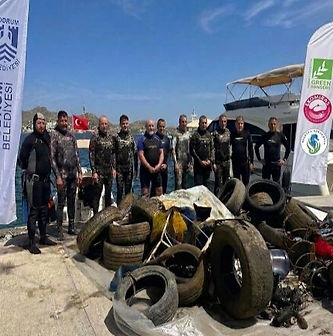
On 13 May, a coastal and underwater clean-up was carried out in Yalıkavak, removing a significant amount of waste that had accumulated over many years and posed a threat to the local marine ecosystem. Vehicle tyres made up the largest category of debris, alongside plastic, glass, metal, and abandoned fishing gear. In total, approximately 1,165 kg of waste was removed, eliminating major hazards to marine life and contributing to the protection and restoration of the coastal habitat.



Bay Clean-Up
Bitez
22 May 2026
10
Dalgıç
527 kg
Waste
50 min
Duration
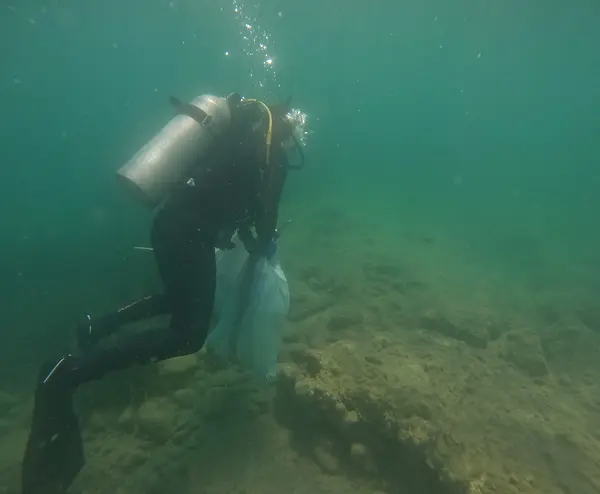
On 22 May, various types of marine debris accumulated on the seabed were removed during a cleanup in Bitez. Among the most notable items were heavy plastics, infrastructure pipes, old vehicle tires, and metal debris, while glass bottles and textile waste also made up a significant portion of the collected materials. With approximately 527 kg of waste removed from the sea, the area's natural marine habitat was made safer and healthier for wildlife.


Rocky Coast
Bitez Peninsula
7 June 2026
14
Diver
69 kg
Waste
60 min
Duration
On 7 June, a clean-up operation was conducted on the Bitez Peninsula, where plastic-based debris was found to be the most prevalent type of waste. Plastics, glass bottles, metal objects, and household waste were removed from the seabed. Approximately 69 kg of waste was collected, contributing to the protection and preservation of the coastal ecosystem.

Biodiversity Area
Akyarlar
10 June 2026
8
Diver
355 kg
Waste
40 min
Duration
On 10 June, a clean-up operation was carried out in Akyarlar, removing heavy debris that had accumulated on the seabed over many years. Discarded vehicle tyres made up the largest category of waste, alongside plastic crates, packaging materials, glass bottles, and metal debris. By the end of the operation, approximately 355 kg of waste had been removed, helping to restore and protect the local marine ecosystem.
.webp)

.webp)

Harbour Clean-Up
Turgutreis
17 June 2026
11
Diver
345 kg
Waste
55 min
Duration
On 17 June, a clean-up operation was carried out in Turgutreis, where large quantities of waste were removed from the seabed. Discarded vehicle tyres accounted for the majority of the debris, alongside plastic, glass, and metal waste. Approximately 345 kg of waste was recovered, eliminating numerous artificial hazards to marine life and contributing to a cleaner, healthier marine environment.


Offshore Reefs
Big Reef & Small Reef
14 Haziran 2026
16
Diver
Various
Waste
75 min
Duration
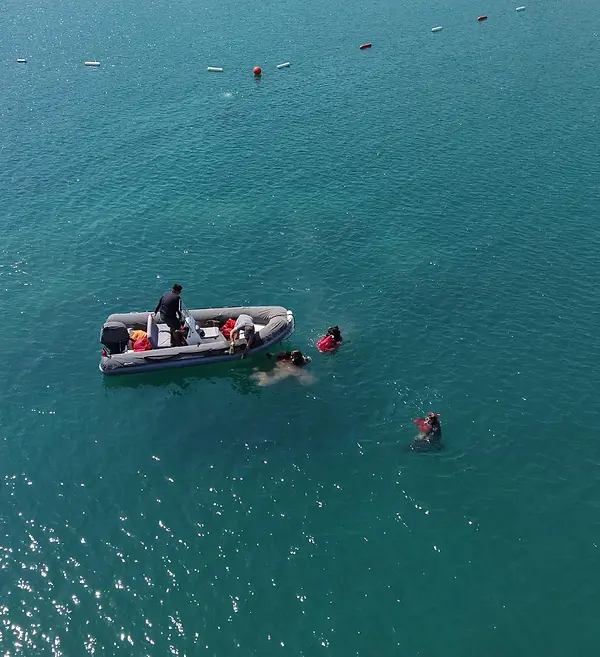
On 14 June, a clean-up operation was carried out across the reef sites, with a particular focus on removing abandoned fishing gear that contributes to ghost fishing. Fishing lines, swivels, trolling rigs, and other hazardous materials were recovered from the reefs, helping to protect marine life and preserve the health of these sensitive reef habitats.


Port Clean-Up
Gümbet
1 July 2026
16
Diver
Various
Waste
75 min
Duration
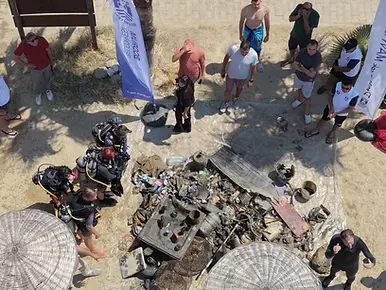
During the coastal and underwater clean-up carried out in Gümbet, heavy and bulky debris that had accumulated on the seabed was removed from the marine environment. The operation recovered large quantities of metal scrap, plastic materials, glass waste, and treated timber, along with wire traps and other abandoned fishing equipment. Approximately 272 kg of waste was removed, helping to reduce physical pressure on Posidonia oceanica seagrass meadows and contributing to the protection of benthic habitats.


Port Clean-Up
Gümüşlük
24 June 2026
13
Diver
Various
Waste
60 min
Various
During the coastal and underwater clean-up carried out in Gümüşlük, bulky debris that had accumulated on the seabed over many years was removed from the marine environment. The operation recovered large metal objects, plastic materials, glass waste, and waterlogged treated timber. Approximately 230 kg of waste was removed, helping to reduce physical pressure on coastal and benthic habitats while supporting the restoration of the local marine ecosystem.


